

Content:
For many founders, turnover goes far beyond a hiring problem, it undermines the company’s progress. When a key team member leaves, priorities shift, projects stall, and leaders are forced to stop scaling and start scrambling. Internal teams absorb the fallout: more administrative work, more meetings, less focus.
The root cause? Often, it is not compensation or culture, it is overload. People burn out when they spend their day on work that does not align with their strengths. That is where skilled virtual assistants come in.
These remote professionals do more than take tasks off your plate. They own entire workflows from reporting and inbox management to CRM updates and internal coordination. They give your core team room to breathe, think, and lead. The result: better retention, stronger culture, and a company that scales without internal drag.
We will break down how overload leads to preventable turnover and how hiring the right virtual assistants helps you stop it before it starts.
Turnover as a Brake on Growth
Every departure costs the business far beyond just an open role. It breaks operational flow, pulls focus away from growth, and stretches your team thin. Instead of executing on strategic goals, leadership gets pulled into reactive mode, screening resumes, rescheduling projects, and patching workflow gaps.
Even a slight rise in turnover can create ripple effects. Productivity slows as teams redistribute work and adjust to shifting roles. Morale dips as high performers absorb additional responsibilities, unsure how long they will carry the extra load. Over time, these disruptions accumulate. The company shifts from forward motion to survival mode.
If you want to know how to prevent employee turnover, the first step is recognizing its cost: not just in dollars, but in lost time, energy, and execution power.
What follows is a closer look at how turnover impacts recruitment efforts, team culture, and long-term employee commitment.
Recruitment and Training Costs
Replacing a team member drains resources well beyond budget, it demands time and attention from your top leaders.
Reviewing applications, scheduling interviews, assessing fit, and making hiring decisions all pull focus away from high-impact initiatives like revenue growth, strategic partnerships, or client delivery. That trade-off slows the business at its most critical level.
The average cost-per-hire in the U.S. exceeds $4,700 and that figure does not account for lost momentum or executive time.
Even after you make a hire, the real cost continues. Onboarding pulls team members into training, support, and troubleshooting. New hires take weeks, sometimes months to reach full productivity. Until then, delivery slows, communication breaks down, and internal teams absorb the slack.
Backfilling roles may seem like progress, but it often signals a deeper issue: time and energy are being spent on recovery instead of driving the business forward.

Cultural and Productivity Impact
People stay longer when they trust the structure around them. But when turnover becomes a pattern, that sense of stability disappears.
Roles blur, communication gets strained, and team members begin to question the company’s direction. Instead of focusing on results, they spend time adjusting to new teammates, shifting priorities, and evolving expectations.
Culture does not collapse overnight. It frays. Each departure chips away at morale, focus, and the informal trust that drives collaboration. Teams lose time re-explaining workflows, realigning expectations, and rebuilding relationships.
That constant readjustment drains energy and the business pays for it in lower engagement, missed deadlines, and slower execution.
Operational Pressure Reducing Commitment
When turnover hits, most companies do not pause, they redistribute. Key responsibilities land on the desks of those who stay, usually without reducing their core workload. What starts as a temporary fix quietly becomes the new normal: longer hours, shifting priorities, and less room to think.
Over time, this pressure rewires how people show up. They move from improving systems to simply surviving the week. Creativity fades. Initiative disappears. Engagement turns into exhaustion and strong performers begin to consider whether they can sustain the pace much longer.
This is where retention risk accelerates. The longer teams operate under strain, the harder it becomes to retain the talent you most want to keep.
The Hidden Cause is Talent Overloaded With Tasks They Shouldn’t Own
Most turnover does not start with a resignation, it starts with misalignment. As teams grow, responsibilities expand without clear redefinition. High performers take on “just one more task,” often outside their core focus. At first, it seems efficient. But over time, those temporary handoffs become permanent.
A marketing lead takes over reporting. A sales director manages internal scheduling. A project manager picks up data entry. These tasks matter, but they pull top talent away from the work that actually moves the business forward.
When people spend their day doing work that drains them, instead of energizing them, engagement slips. Their role no longer reflects their strengths or goals. Eventually, the job they applied for becomes unrecognizable. And that slow shift becomes one of the most overlooked drivers of voluntary turnover.
Strategic Roles Handling Operational Work
In scaling companies, operational gaps often fall to your highest performers. A marketing lead starts building internal reports. A sales director takes over calendar management. A project manager handles status updates and follow-ups.
These tasks are essential, but they do not move the business forward. They consume hours that should support growth planning, revenue generation, or creative problem-solving.
When strategic roles shift into execution mode, the business loses critical insights, leadership bandwidth, and forward momentum. People who should be thinking ahead get pulled into tactical work and that erosion of focus drives both underperformance and turnover risk.
No Time for Growth or Meaningful Contribution
Sustained growth, both for the business and the individual, depends on time for reflection, skill-building, and strategic thinking. When employees spend their day buried in recurring tasks, that space disappears. There is no room to develop, lead, or take on stretch projects.
As responsibilities pile up, work becomes mechanical. People stay busy, but the impact feels shallow. Over time, even high performers begin to disengage. They stop seeing a path forward and start questioning whether they can keep growing inside the company.
That erosion of purpose impacts morale and it does not stop there. It directly increases the risk of turnover. Teams that lose the chance to contribute meaningfully will eventually look for a place where they can.
Overload Leading to Fatigue and Demotivation
Sustained overload wears people down, not all at once, but steadily. They begin the week already depleted, knowing the workload ahead leaves no space to recover or reset. Even top performers lose motivation when every day feels like a scramble to catch up.
Over time, that fatigue erodes the qualities that drive long-term success: creativity, focus, and initiative. The company does not just lose output, it loses the energy and commitment that turn good teams into great ones.
When people can no longer see a path to recovery, they start looking for a way out. That is when preventable turnover turns into real business risk.
Skilled Virtual Assistants That Stabilize Teams and Reduce Turnover
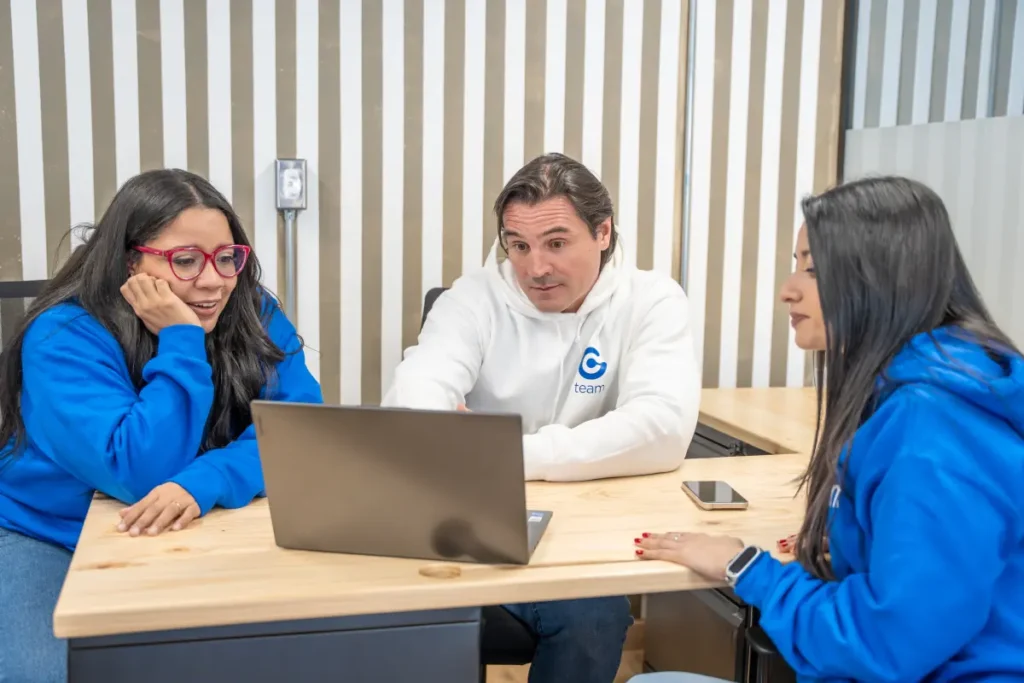
When teams are overloaded, even the smallest operational breakdowns can create instability. Skilled virtual assistants help restore balance by taking full ownership of recurring workflows, managing reports, inboxes, internal communications, schedules, and process documentation. These remote professionals bring structure to the areas that often drain energy from high-value talent.
Their contribution goes beyond task execution. It creates space. Space for strategic roles to stay focused. Space for leadership to move from reactive to proactive. And space for the business to grow without overwhelming the people behind it.
The best assistants do not require micromanagement. They integrate quickly, anticipate needs, and maintain the consistency your team depends on to perform at its best. That stability is exactly what keeps key talent engaged and prevents preventable turnover from taking root.
At GlobalTeam, we provide this level of support through our Global Direct Hire™ service, connecting founders with elite virtual assistants who keep operations running smoothly, so your top performers can keep doing what they do best.
Building a Stable, Scalable Team With the Right Support
Companies scale successfully when their people are clear on what matters and free to focus on the work that drives results. Skilled virtual assistants help create that clarity by taking on operational responsibilities that distract high performers from their core priorities.
When the right support is in place, your team moves with energy, focus, and confidence. Leaders stay in strategy. High performers stay engaged. And the company retains the talent it cannot afford to lose.
If you’re ready to reduce turnover and protect your top talent, book your free consultation to get matched with a skilled virtual assistant ready to support your team.
FAQs: Preventing Turnover with Skilled Virtual Assistants
How do virtual assistants help reduce employee turnover?
Skilled virtual assistants take on operational responsibilities that often overload high-value team members. By reducing task fatigue, they help retain top performers and keep the company focused on strategic growth.
What kind of tasks can virtual assistants handle?
Virtual assistants can manage inboxes, reports, calendars, CRM updates, internal communication, process documentation, and other recurring or execution-heavy tasks that slow down strategic roles.
Are virtual assistants a short-term or long-term solution?
With the right match, virtual assistants become an integral part of the team. They provide long-term operational stability and help reduce the cycle of hiring and burnout that drives turnover.
How can GlobalTeam help me hire the right virtual assistant?
Through our Global Direct Hire™ service, we connect founders with elite, pre-vetted virtual assistants who meet our highest standards for skill, reliability, and cultural fit, so you can scale without losing your best people.